
The beginning
Premium Home started as a small project with one aim: bring well-made, good-looking furniture to homes in Lebanon, at a price a family could actually justify.
1980 · Kherbet Kanafar
The workshop
One workshop in Kherbet Kanafar. The material changed, the tools got better, the hands stayed the same.
Premium Home started as a small project with one aim: bring well-made, good-looking furniture to homes in Lebanon, at a price a family could actually justify.
1980 · Kherbet Kanafar
After a year of drawing, testing and re-cutting, the first full collection left the workshop. The pieces set the rule we still work to: build it so it outlasts the room it was made for.
1981 · First collection
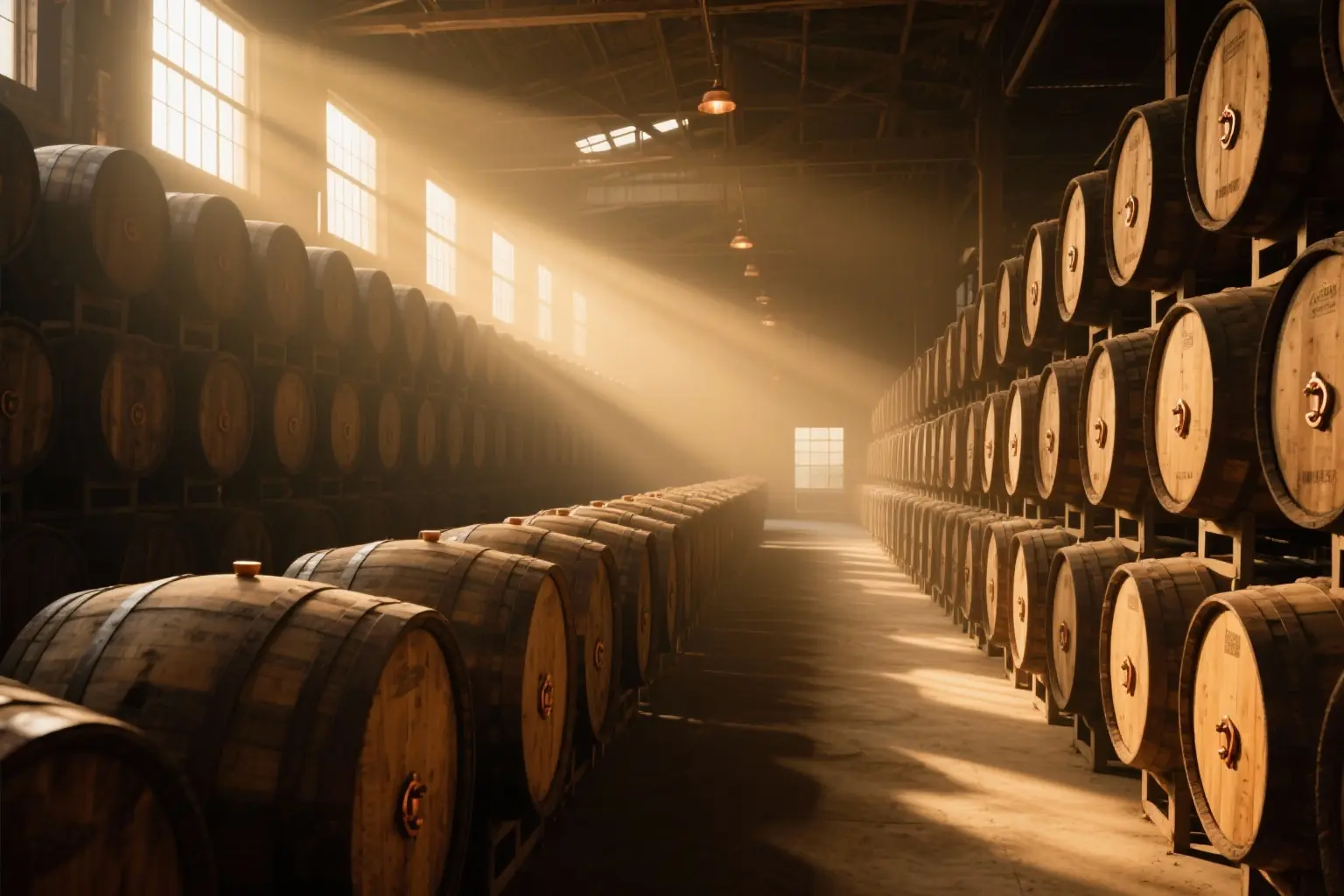
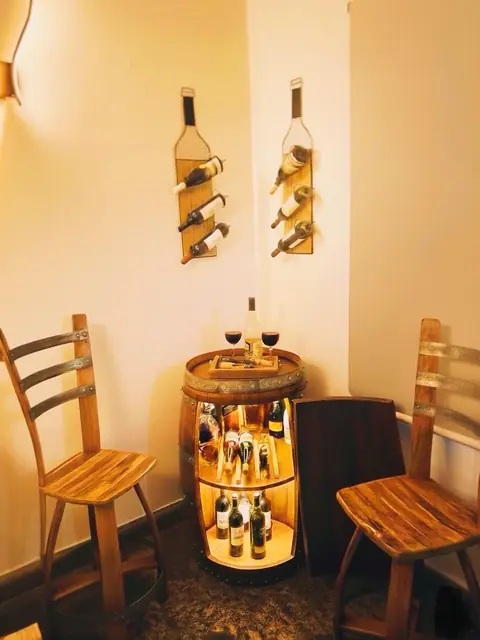
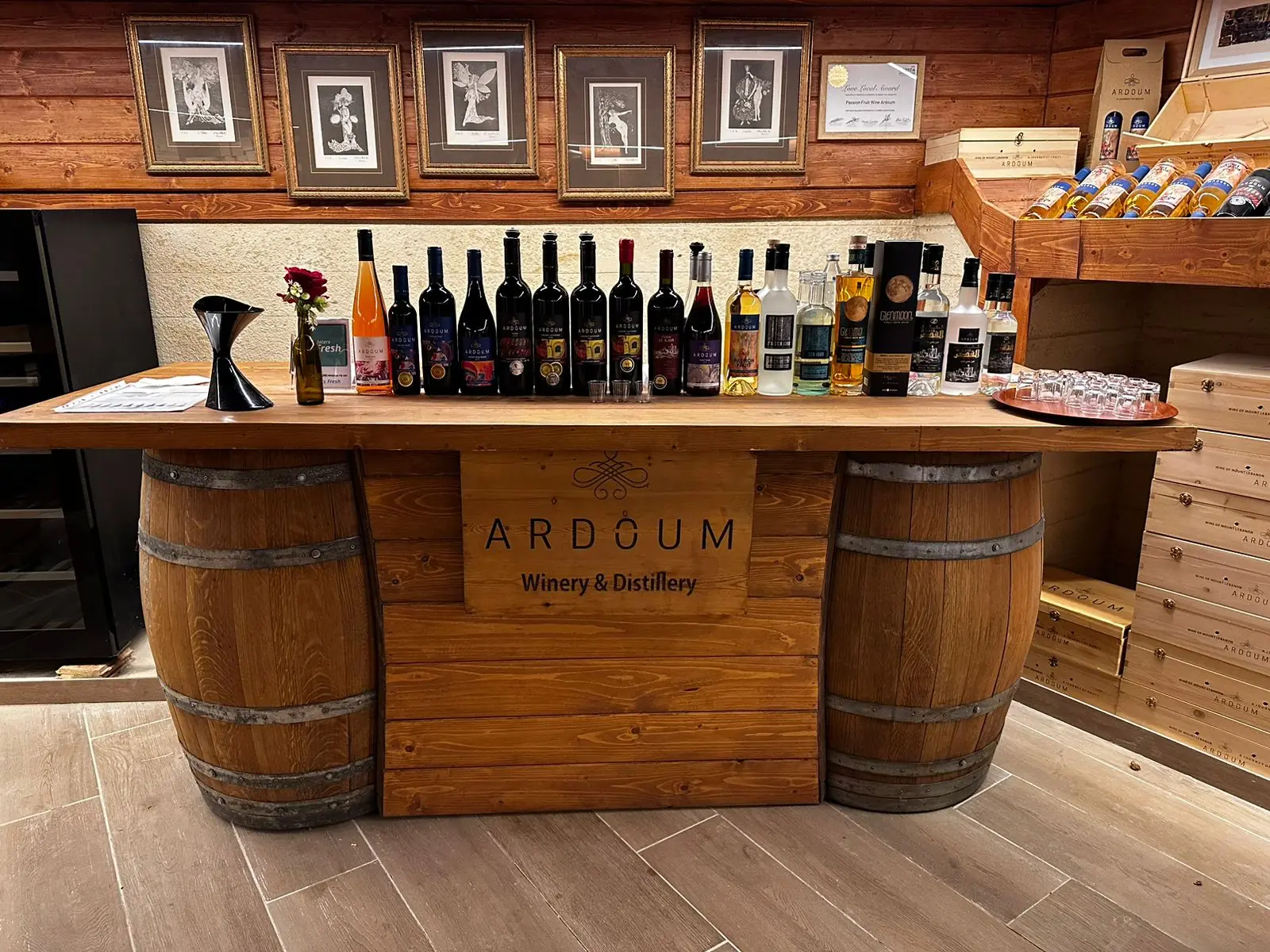
Working next to the Bekaa's wineries put spent oak casks within reach. We started cutting them into bars, chairs and tables — and the work moved outward, into tasting rooms, terraces and resorts across the valley.
2010 · Expansion
How a cask becomes furniture
The cask comes in stained and swollen. Hoops come off, staves are numbered so they go back in the order the cooper set them, and anything split is put aside.
Where the barrel is opened decides what it becomes. A vertical door makes a bar cabinet; a horizontal halving makes a chair or a planter. This is the only irreversible step.
Shelves are cut on the barrel's own curve, not squared off. Racks, glass rails, hinges and upholstery frames are fitted to the individual cask, because no two are the same size.
Indoors: sanded back, oiled, waxed. Outdoors: sealed against Bekaa summers and winter damp. The wine stain inside the staves is left visible — it's the reason the piece looks the way it does.
Photographed in the workshop
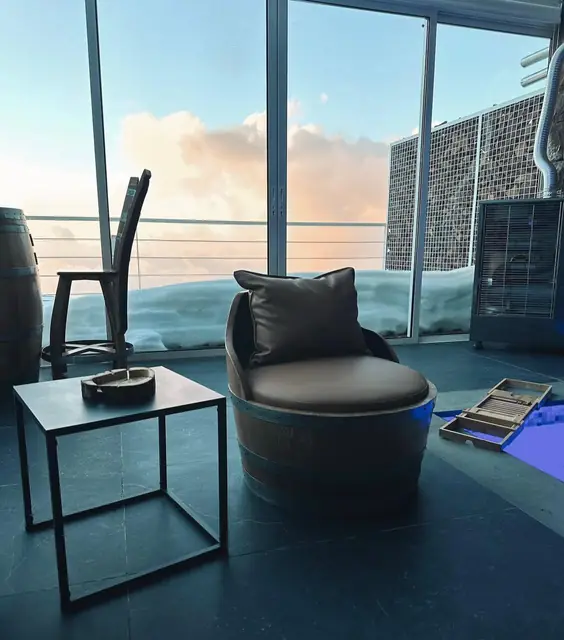
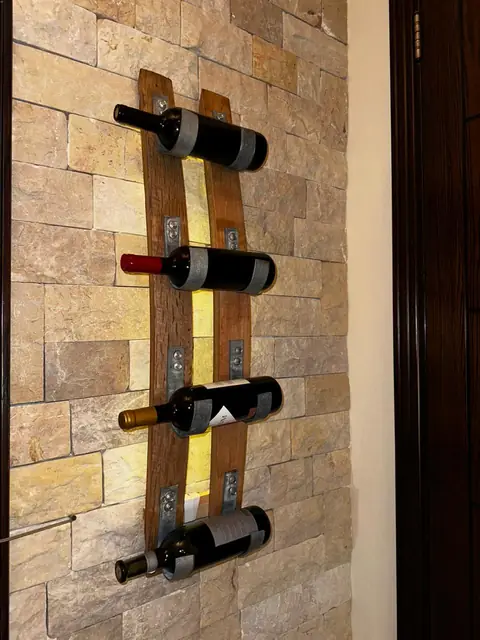
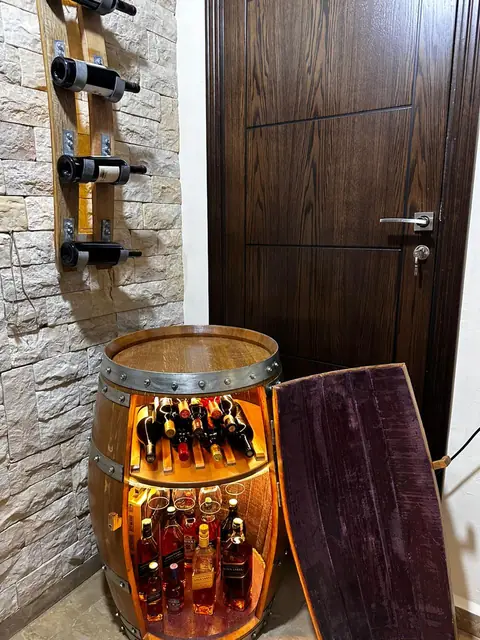
Everything is still made in Kherbet Kanafar, by the same hands, to order. If you want to see the pieces in person, the door is open — call first and we'll have them out.